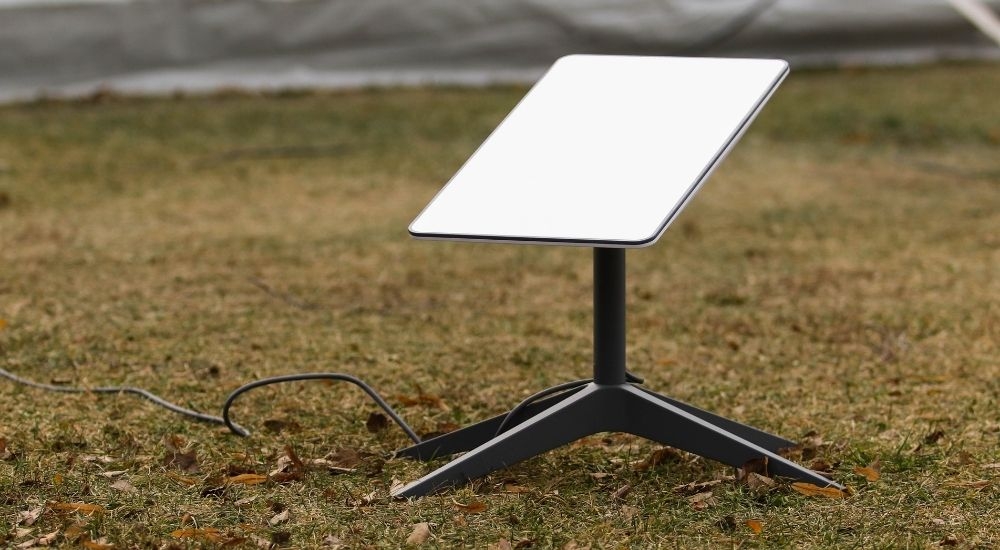
Checklist for Setting Up Solar Blankets with Starlink Equipment

Checklist for Setting Up Solar Blankets with Starlink Equipment

Introduction

Setting the stage for the importance of extending Starlink coverage in remote areas of Australia.

As the demand for reliable internet connectivity continues to rise, the need to extend Starlink coverage throughout remote areas of Australia becomes increasingly crucial. With the goal of providing high-speed internet access in regions beyond Western Australia, the expansion of Starlink satellite internet equipment rentals aims to bridge the connectivity gap in areas where traditional internet infrastructure may be lacking.

Travellers and campers exploring the vast and remote landscapes of Western Australia, remote workers seeking a dependable connection in off-grid locations, small to large companies operating in rural or mining regions, event organizers requiring temporary high-speed internet, and individuals looking to test Starlink before making a purchase all stand to benefit from the extended coverage. By ensuring access to reliable internet services, Starlink aims to support various activities and industries that rely on seamless connectivity to operate efficiently.

The extension of Starlink coverage in remote areas of Australia not only enhances the quality of life for residents in these regions but also opens up new possibilities for economic growth and development. With high-speed internet becoming increasingly essential in today's digital age, the expansion of coverage serves as a significant step towards creating a more connected and accessible Australia for all.

Key Beneficiaries of Extended Starlink Coverage:

  • Travellers and campers exploring remote areas of Western Australia
  • Offgrid Internet was born from our own frustrations with unreliable connectivity during our travels. As frequent adventurers and remote workers, having stable internet access wasn’t just a convenience—it was essential. A few years ago, we began relying heavily on Starlink satellite internet during our trips, and the improvement was remarkable. It transformed the way we worked, travelled, and stayed in touch while exploring remote locations. Starlink delivers reliable high-speed satellite connectivity across Australia, with exceptional performance throughout Western Australia. Whether you're working on remote sites, travelling, or need temporary internet for projects, our Starlink rental units provide fast and stable connections wherever you go. Our equipment consistently achieves download speeds between 100–200 Mbps, upload speeds of 10–20 Mbps, and latency as low as 20–40 ms, often outperforming traditional satellite services and even rivaling many fixed broadband connections. With these industry-leading Starlink speed test results, you can confidently stay connected in areas where other networks struggle. Offgrid Internet We offer flexible rental options, allowing you to choose weekly or monthly plans based on your needs. Each rental comes with a complete Starlink bundle—fully pre-configured, easy to deploy, and ready for instant connectivity. Setup is simple: follow our quick-start guide and be online within minutes. You can also select between capped data plans or unlimited internet, depending on your usage requirements. Our team provides local Perth-based support, ensuring you have expert assistance whenever needed. We proudly collaborate with both small and large companies across Western Australia, supplying dependable satellite internet for events, mining operations, construction sites, remote offices, and more.. That experience sparked a realisation: if we were facing these challenges across Western Australia, others were surely facing them too. About Offgrid Internet We soon identified a clear gap in the market for dependable and affordable satellite internet rentals, particularly for people headed into WA’s most isolated areas. That insight led us to create Offgrid Internet—offering Starlink rentals to travellers, remote professionals, and anyone needing fast, reliable connectivity in even the most hard-to-reach parts of the state..
  • Remote workers needing reliable internet in off-grid locations
  • Small to large companies operating in rural or mining regions
  • Event organizers needing temporary high-speed internet
  • Anyone testing Starlink before purchasing their own equipment

Understanding Solar Blankets

Explaining the concept and functionality of solar blankets in providing power for Starlink equipment.

Solar blankets are a game-changer when it comes to powering Starlink equipment in remote areas of Australia, extending coverage beyond Western Australia. These innovative blankets harness the power of the sun to provide a reliable energy source for your satellite internet setup, ensuring seamless connectivity even in the most isolated locations.

For travellers and campers exploring the vast landscapes of Western Australia, solar blankets offer the freedom to stay connected without relying on traditional power sources. Remote workers in off-grid locations can now enjoy high-speed internet access for their work tasks, enhancing productivity and efficiency. Small to large companies operating in rural or mining regions can benefit from the extended coverage provided by solar blankets, enabling smooth operations even in areas with limited infrastructure.

Event organisers hosting gatherings in remote areas can now offer temporary high-speed internet to attendees, enhancing the overall experience. Additionally, individuals interested in testing Starlink before investing in their own equipment can experience the reliability and performance of the service with the help of solar blankets.

Key Users Benefiting from Solar Blankets:

  • Travellers and campers exploring remote areas of Western Australia
  • Remote workers needing reliable internet in off-grid locations
  • Small to large companies operating in rural or mining regions
  • Event organisers needing temporary high-speed internet
  • Anyone testing Starlink before purchasing their own equipment

With solar blankets powering your Starlink equipment, you can enjoy reliable connectivity throughout Australia, unlocking new possibilities for communication and productivity in even the most remote corners of the country.

Selecting the Right Solar Blanket

Factors to consider when choosing a solar blanket compatible with Starlink equipment.

Factors to consider when choosing a solar blanket compatible with Starlink equipment are crucial for extending coverage throughout Australia. With the aim of ensuring access to high-speed connectivity in various remote areas beyond Western Australia, it's essential to prioritize specific aspects when selecting the right solar blanket.

For travellers and campers exploring remote areas of Western Australia, portability and durability are key factors to consider. A lightweight and compact solar blanket that can withstand various outdoor conditions will be ideal for those constantly on the move. Remote workers needing reliable internet in off-grid locations should focus on solar blankets with high efficiency and quick charging capabilities to keep their Starlink equipment powered up throughout the day.

Small to large companies operating in rural or mining regions can benefit from solar blankets with a higher power output to support multiple devices simultaneously. Event organizers needing temporary high-speed internet should look for solar blankets that are easy to set up and can provide a stable power source for extended periods. Additionally, anyone testing Starlink before purchasing their own equipment should opt for a versatile solar blanket that can adapt to different setups and locations.

Key Considerations:

  • Portability and durability for travellers and campers

By considering these factors, individuals and organizations can make informed decisions when choosing a solar blanket compatible with Starlink equipment to extend coverage and ensure reliable connectivity throughout Australia's diverse landscapes.

Setting Up the Solar Blanket

Step-by-step guide on how to correctly install and position the solar blanket for optimal performance.

To ensure optimal performance and extended coverage of Starlink satellite internet equipment rentals throughout Australia, correctly installing and positioning the solar blanket is crucial. Whether you are a traveler exploring remote areas of Western Australia, a remote worker needing reliable internet in off-grid locations, a company operating in rural or mining regions, an event organizer requiring temporary high-speed internet, or simply testing Starlink before purchasing your own equipment, following these steps will help you make the most of your setup.

Key Usage Scenarios:

  • Travellers and campers exploring remote areas of Western Australia
  • Remote workers needing reliable internet in off-grid locations
  • Small to large companies operating in rural or mining regions
  • Event organisers needing temporary high-speed internet
  • Anyone testing Starlink before purchasing their own equipment
  1. Selecting the Right Spot: Find a location with a clear view of the sky to maximize satellite signal reception. Avoid placing the solar blanket under trees or near tall structures that may obstruct the signal.

  2. Positioning for Maximum Sun Exposure: Place the solar blanket in a spot where it can receive direct sunlight for the majority of the day. This will ensure efficient charging of the batteries to power your Starlink equipment.

  3. Securing the Solar Blanket: Use stakes or mounting brackets to secure the solar blanket in place, especially in windy conditions. This will prevent any movement that could affect its performance.

  4. Regular Maintenance: Inspect the solar blanket regularly for any damage or debris that may impact its efficiency. Keep it clean and free from obstructions to maintain optimal performance.

By following these steps, you can set up your solar blanket with Starlink equipment to extend coverage throughout Australia, providing you with high-speed connectivity even in the most remote areas.

Connecting Starlink Equipment

Instructions on connecting the Starlink receiver and satellite dish to the solar-powered setup.

To ensure seamless connectivity in remote areas across Australia, connecting your Starlink receiver and satellite dish to a solar-powered setup is crucial. By following these instructions, you can maximize the coverage of your Starlink satellite internet equipment in various off-grid locations, extending reliable high-speed internet access beyond Western Australia.

Firstly, position your satellite dish in an area with clear visibility of the sky to receive optimal signal strength. Connect the satellite dish to the Starlink receiver using the provided cables, ensuring a secure and stable connection. Next, connect the Starlink receiver to your solar-powered setup, utilizing the appropriate adapters for compatibility.

Once the physical connections are established, power on your solar setup and the Starlink equipment. Ensure that the receiver is properly aligned with the satellite constellation to establish a strong connection. You can use the Starlink app to assist in aligning the dish accurately for improved performance.

For travellers exploring remote areas, remote workers in off-grid locations, companies operating in rural or mining regions, event organizers in need of temporary high-speed internet, or individuals testing Starlink before making a purchase, this setup offers a reliable solution for accessing high-speed internet connectivity in even the most remote locations throughout Australia.

By following these steps and setting up your Starlink equipment with a solar-powered system, you can enjoy uninterrupted connectivity and reliable internet access wherever your adventures take you in Australia.

Key Facts:

  • Extends coverage of Starlink satellite internet equipment rentals throughout Australia, ensuring access to high-speed connectivity in various remote areas beyond Western Australia.

Testing Connectivity

Guidance on testing the internet connectivity to ensure reliable high-speed access in remote areas.

To ensure reliable high-speed internet access in remote areas throughout Australia, it is crucial to conduct thorough testing of the internet connectivity when setting up Solar Blankets with Starlink equipment. This step is especially important for travellers and campers exploring remote areas of Western Australia, remote workers in off-grid locations, companies operating in rural or mining regions, event organizers requiring temporary high-speed internet, and individuals testing Starlink before making a purchase.

Testing the internet connectivity involves checking the signal strength and stability of the Starlink satellite connection. By positioning the Solar Blankets in optimal locations to receive signals from the Starlink satellites, users can maximize their internet coverage and speed. It is recommended to conduct speed tests and latency checks to ensure that the internet connection meets the required standards for seamless online activities such as video conferencing, file sharing, and web browsing.

Key Considerations:

  • Travellers and campers exploring remote areas of Western Australia

For travellers and campers, reliable internet connectivity is essential for staying connected with loved ones, accessing online resources, and navigating unfamiliar terrains. Remote workers rely on high-speed internet for conducting business operations efficiently, while companies operating in rural or mining regions require stable connectivity for communication and data transfer. Event organizers can benefit from temporary high-speed internet for hosting successful events with online streaming and ticketing services.

By following the checklist for setting up Solar Blankets with Starlink equipment and testing the internet connectivity, users can extend coverage throughout Australia and enjoy reliable high-speed internet access in remote areas beyond Western Australia.

Checklist for Testing Starlink Performance Before Purchase

Maintenance Tips

Recommendations on how to maintain the solar blanket and Starlink equipment for prolonged usage.

When setting up solar blankets with Starlink equipment to extend coverage throughout Australia, it is crucial to follow proper maintenance tips to ensure prolonged usage and reliable connectivity in remote areas.

For travellers and campers exploring the vast landscapes beyond Western Australia, regularly inspecting the solar blanket for any damage or wear is essential. Keep the panels clean from dust and debris to maximize efficiency, especially in regions with limited sunlight. Additionally, secure the Starlink equipment properly to prevent any damage from harsh weather conditions or accidental bumps during transportation.

Remote workers relying on high-speed internet in off-grid locations should regularly check the connections and cables of the Starlink equipment to avoid any disruptions in service. It is recommended to store the equipment in a protective case when not in use to prevent damage from dust or moisture.

Key Considerations:

  • Extends coverage of Starlink satellite internet equipment rentals throughout Australia, ensuring access to high-speed connectivity in various remote areas beyond Western Australia.

Small to large companies operating in rural or mining regions can benefit from setting up solar blankets with Starlink equipment to ensure continuous connectivity for their operations. Regularly monitoring the performance of the equipment and conducting maintenance checks can prevent any unexpected downtime.

Event organizers requiring temporary high-speed internet for their gatherings should have a backup plan in case of any technical issues with the Starlink equipment. Testing the connectivity before the event and having spare parts on hand can help mitigate any potential disruptions.

Whether you are testing Starlink before purchasing your own equipment or relying on it for your daily connectivity needs, following these maintenance tips will help you make the most out of your solar blankets and Starlink equipment for extended coverage throughout Australia.

Optimizing Performance

Tips and tricks to optimize the performance of the solar blankets with Starlink equipment for consistent connectivity.

For those venturing into the vast and remote landscapes of Australia, ensuring a reliable internet connection is crucial. By setting up solar blankets with Starlink equipment, you can extend coverage throughout Australia, even in the most isolated areas. Whether you are a traveler exploring the outback, a remote worker seeking connectivity off the grid, or a company operating in rural regions, optimizing the performance of your setup is essential for consistent connectivity.

To make the most of your solar blankets with Starlink equipment, consider the following tips and tricks. Positioning is key - ensure your solar blankets are placed in an unobstructed area to receive maximum sunlight for efficient charging. Additionally, aim to set up your Starlink equipment in an elevated location to minimize interference and maximize signal strength.

Regularly monitor the alignment of your Starlink dish to ensure it is pointing towards the satellites for optimal connectivity. Adjust the angle as needed to maintain a strong connection, especially in areas with varying terrain or weather conditions.

Key User Scenarios:

  • Travellers and campers exploring remote areas of Western Australia

Utilize signal boosters or extenders to enhance coverage in remote or challenging environments, ensuring a reliable internet connection wherever your adventures take you.

By implementing these strategies, travelers, remote workers, companies, event organizers, and Starlink enthusiasts can enjoy seamless high-speed connectivity throughout Australia, unlocking the full potential of their solar blankets with Starlink equipment.

Frequently Asked Questions

The key considerations include ensuring proper alignment of the satellite dish, maximizing exposure to sunlight for the solar panels, and securing the equipment against harsh weather conditions.
Travellers and campers can enjoy high-speed connectivity for communication, navigation, and entertainment purposes, enhancing their overall experience in remote locations.
These companies can improve their operational efficiency, communication networks, and data transmission capabilities, leading to increased productivity and connectivity in remote areas.